Gut Health Essentials: Nourishing Your Microbiome Naturally
- MISTY LAMBERT
- May 11
- 4 min read

Maintaining a healthy gut is crucial for overall well-being. The gut microbiome, a complex community of trillions of microorganisms, plays a vital role in digestion, immunity, and even mental health. In recent years, the importance of gut health has gained significant attention, with research linking it to various health conditions. This blog post will explore essential strategies for nourishing your microbiome naturally, providing practical tips and insights to help you achieve optimal gut health.

Understanding the Microbiome
The microbiome refers to the diverse collection of bacteria, viruses, fungi, and other microorganisms residing in our bodies, primarily in the gut. These microorganisms are not just passive inhabitants; they actively contribute to our health by:
Digesting food: They help break down complex carbohydrates and fibers that our bodies cannot digest on their own.
Producing vitamins: Certain gut bacteria synthesize essential vitamins, such as B vitamins and vitamin K.
Supporting the immune system: A balanced microbiome can help fend off harmful pathogens and reduce inflammation.
The Importance of Gut Health
A healthy gut microbiome is linked to numerous benefits, including:
Improved digestion: A balanced microbiome aids in nutrient absorption and reduces digestive issues like bloating and constipation.
Enhanced immunity: A strong gut microbiome can bolster the immune system, making it easier to fight off infections.
Mental well-being: Research suggests a connection between gut health and mental health, with some studies indicating that a healthy microbiome may reduce symptoms of anxiety and depression.
Foods That Nourish Your Microbiome
To support your gut health, it's essential to incorporate a variety of foods that promote a healthy microbiome. Here are some key food groups to consider:
Fermented Foods
Fermented foods are rich in probiotics, which are beneficial bacteria that can enhance gut health. Some popular options include:
Yogurt: Look for varieties that contain live and active cultures.
Kefir: This fermented milk drink is packed with probiotics and can be enjoyed on its own or added to smoothies.
Sauerkraut: Fermented cabbage is not only delicious but also a great source of probiotics.
Kimchi: This spicy Korean dish made from fermented vegetables is rich in beneficial bacteria.
Prebiotic Foods
Prebiotics are non-digestible fibers that feed the good bacteria in your gut. Incorporating prebiotic-rich foods can help maintain a healthy microbiome. Some examples include:
Garlic: A versatile ingredient that can be added to various dishes.
Onions: These can be used in salads, soups, and stir-fries.
Bananas: A convenient snack that also provides essential nutrients.
Asparagus: This vegetable can be grilled, roasted, or added to salads.
High-Fiber Foods
A diet high in fiber can promote gut health by supporting the growth of beneficial bacteria. Consider adding the following high-fiber foods to your meals:
Whole grains: Foods like quinoa, brown rice, and oats are excellent sources of fiber.
Legumes: Beans, lentils, and chickpeas are not only high in fiber but also provide protein.
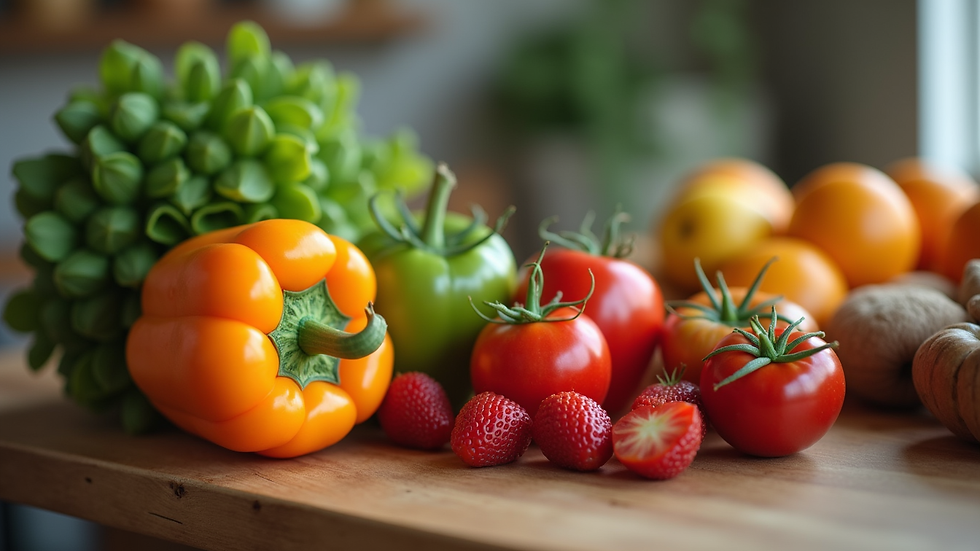
Fruits and vegetables: Aim for a colorful variety to maximize nutrient intake.
Lifestyle Factors That Impact Gut Health
In addition to diet, several lifestyle factors can influence your gut health. Here are some key considerations:
Stress Management
Chronic stress can negatively impact your gut microbiome. Implementing stress-reducing techniques can help maintain a healthy gut. Consider:
Mindfulness practices: Activities like meditation and yoga can promote relaxation.
Regular exercise: Physical activity can reduce stress and improve gut health.
Adequate sleep: Aim for 7-9 hours of quality sleep each night to support overall well-being.
Hydration
Staying hydrated is essential for digestion and overall health. Water helps break down food and absorb nutrients. Aim to drink at least eight 8-ounce glasses of water daily, adjusting for activity level and climate.
Avoiding Unnecessary Antibiotics
While antibiotics can be lifesaving, they can also disrupt the balance of your gut microbiome. Only use antibiotics when prescribed by a healthcare professional, and consider taking probiotics afterward to help restore balance.
The Role of Supplements
While a balanced diet is the best way to support gut health, some individuals may benefit from supplements. Here are a few options to consider:
Probiotics
Probiotic supplements can help restore the balance of beneficial bacteria in the gut, especially after antibiotic use. Look for high-quality products with multiple strains of bacteria.
Prebiotic Supplements
If you're not getting enough prebiotics from your diet, consider a prebiotic supplement. These can help feed the good bacteria in your gut and promote a healthy microbiome.
Digestive Enzymes
Digestive enzyme supplements can aid in the breakdown of food, making it easier for your body to absorb nutrients. This can be particularly helpful for individuals with digestive issues.
Monitoring Your Gut Health
Keeping track of your gut health can help you identify patterns and make necessary adjustments. Here are some tips for monitoring your gut health:
Food Journal
Maintaining a food journal can help you identify foods that may trigger digestive issues. Note what you eat and any symptoms you experience to pinpoint potential problem areas.
Listen to Your Body
Pay attention to how your body responds to different foods and lifestyle changes. If you notice improvements in digestion, energy levels, or mood, you're likely on the right track.
Consult a Professional
If you're experiencing persistent digestive issues, consider consulting a healthcare professional or a registered dietitian. They can provide personalized guidance and support.
Conclusion
Nourishing your microbiome naturally is a powerful way to support your overall health. By incorporating a variety of fermented foods, prebiotics, and high-fiber options into your diet, along with managing stress and staying hydrated, you can create a thriving gut environment. Remember, small changes can lead to significant improvements in your gut health. Start today by making mindful choices that benefit your microbiome, and enjoy the positive effects on your well-being.

Comments